The History of
Holy trinity Hoxton
-
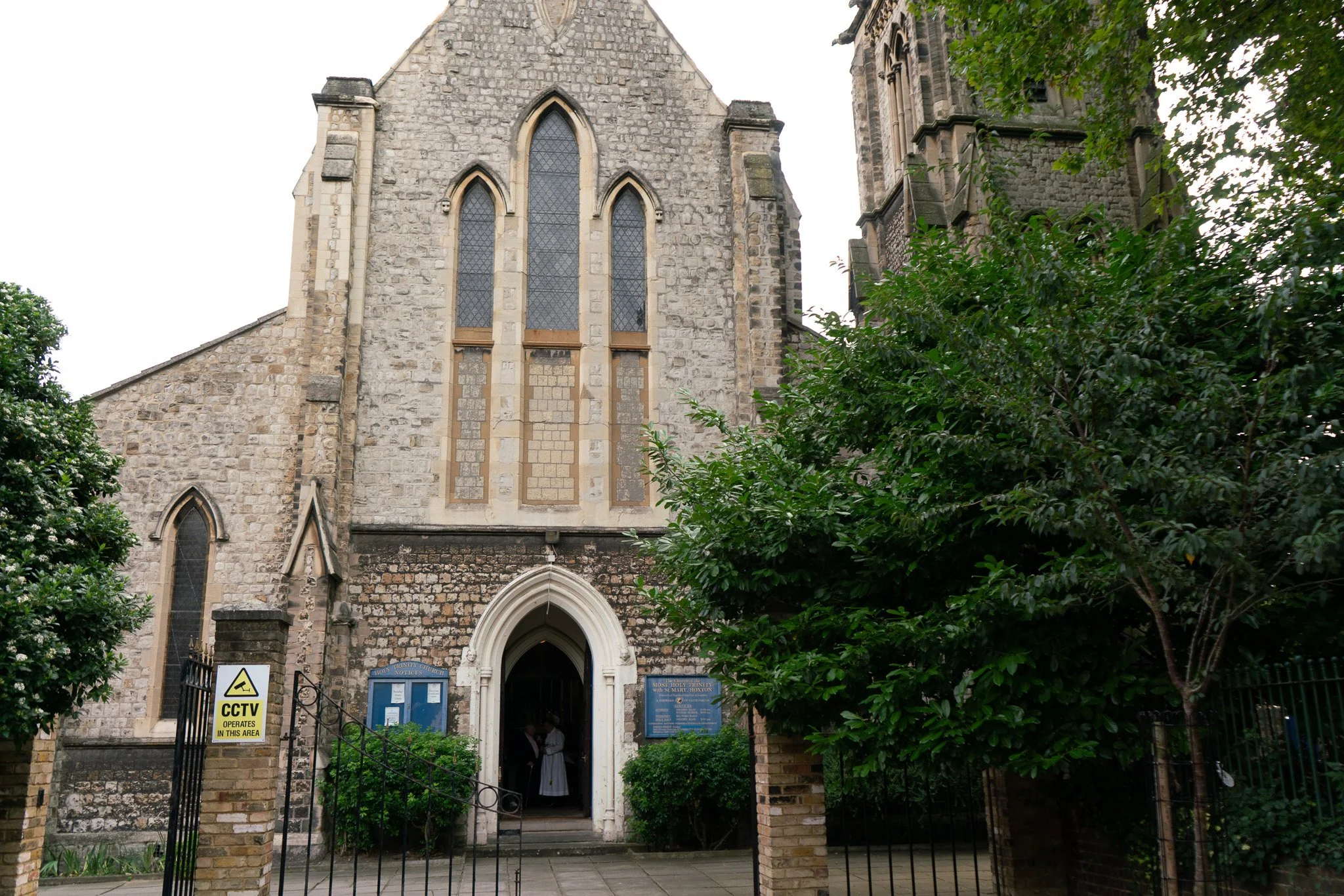
The building of Holy Trinity was completed in 1848, and designed by William Railton, who was also the architect for Nelson’s Column. At the time, the area was considered to be part of Shoreditch, where the population was increasing rapidly, and Holy Trinity was one of several churches built to answer this demand.
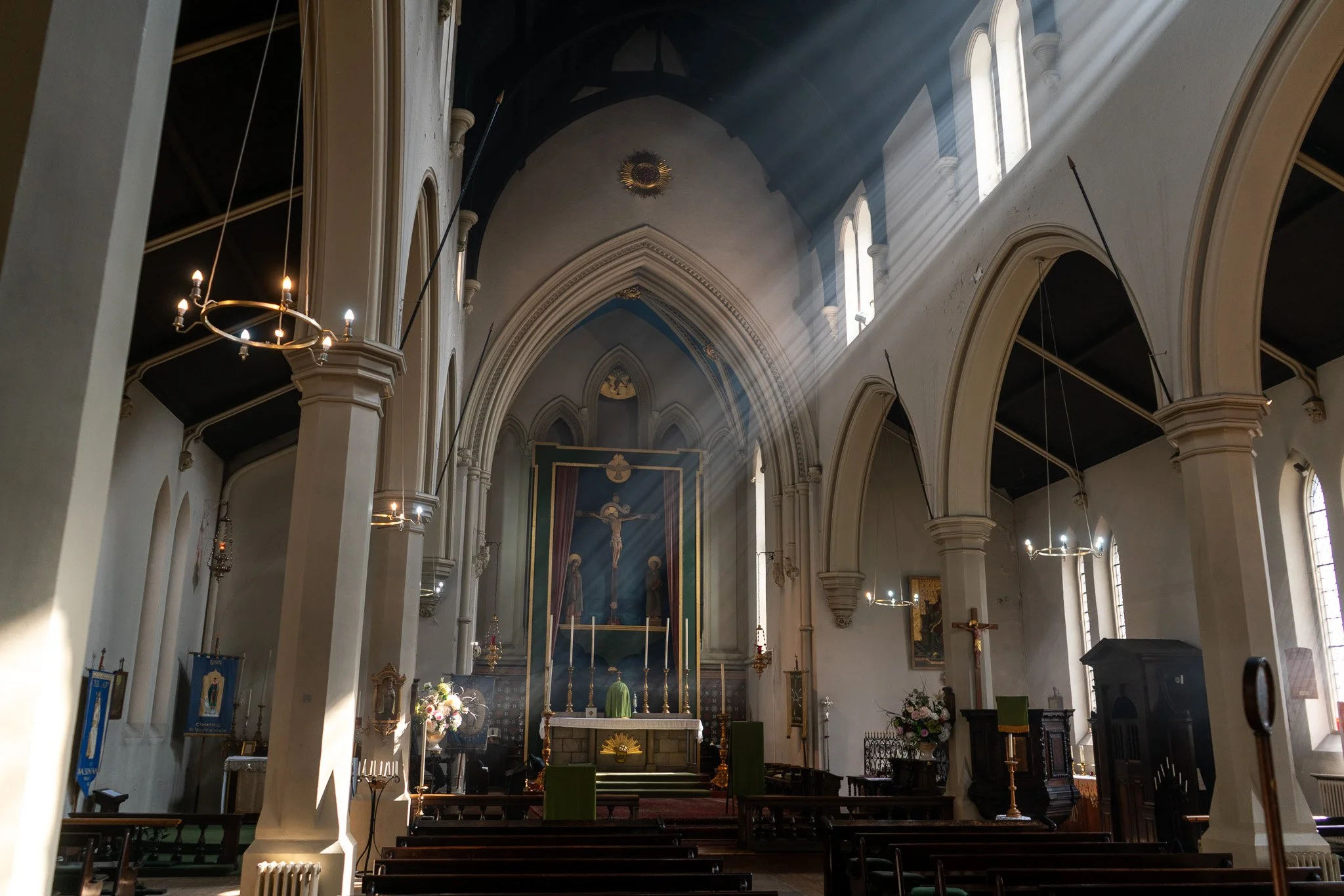
During the Second World War, the church and its surrounding area suffered damage from heavy aerial bombardment, and the area of the church by the altar was reordered in 1942 in consultation with Martin Travers, who worked with many Anglo-Catholic churches. In the same air raid, the neighbouring parish of St Mary’s was bombed beyond repair, and certain items such as their pulpit, were moved to Holy Trinity.
In the modern day, Holy Trinity is a Grade-II listed building.
-
Since the early 20th century, Holy Trinity has stood in the Anglo-Catholic tradition, a tradition which has strong connections to the East End of London. The Anglo-Catholic movement began in the mid-nineteenth century, with clergy drawing inspiration for their ministry from records of Christianity in England before the Reformation. They reasserted that we should strive to bring a sense of reverence in worship before God, and a love for all of His people, no matter who they are.
Mission and community are two of the most important pillars of Anglo-Catholic churches, and we are always looking for new ways to give back to our local area.
As an Anglo-Catholic parish, we believe in upholding the beliefs of the Church Universal. We receive episcopal oversight from the Bishop of Fulham.
-
Holy Trinity is also closely connected to the creation of The English Missal. The vicar of Holy Trinity between 1905 - 1937, Rev’d Henry Kenrick, is credited with compiling the book during his time there.
The Church of England has its own standardised text, the Book of Common Prayer, which has been in use for over four hundred years. However, in the beginning of the twentieth century, churches across the country began experimenting with the words and structures we use to worship God.
The English Missal, also known as the Missale Anglicanum, was the first official translation of the Roman Catholic Missale Romanum into a style of English similar to the Book of Common Prayer. The vicar’s wife, Mrs Agnes Kenrick, is attributed with a large amount of the translation from Latin to English (according to Kenrick’s entry in the Anglo-Catholic Congress Clergy Directory).
While Holy Trinity does not use the English Missal in its regular worship, it is an important part of our history.